
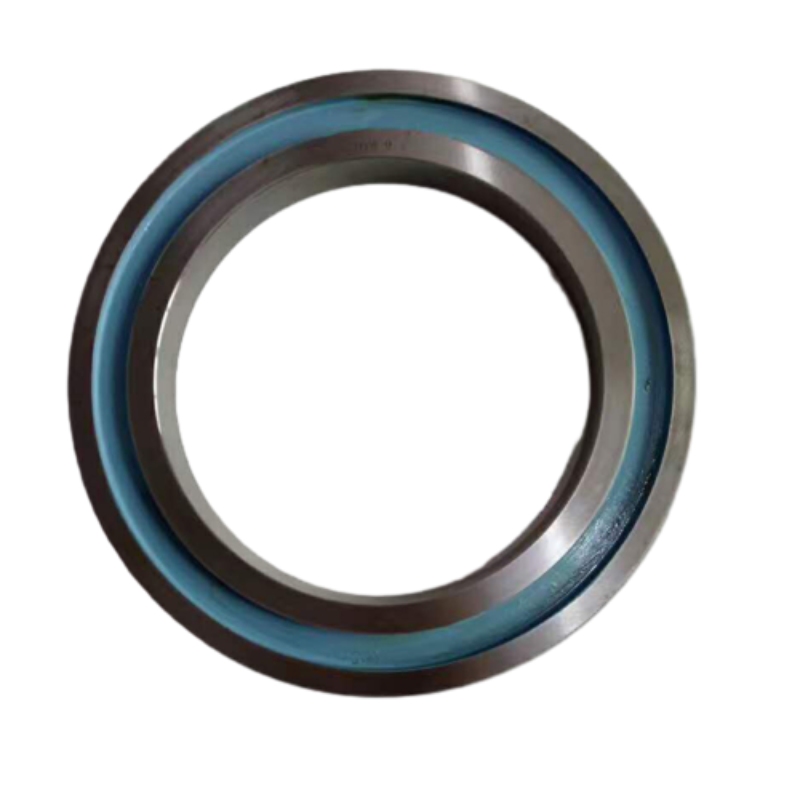
grey tinted glass
Understanding Bore Gauge Tools A Comprehensive Overview Bore gauge tools play a critical role in precision measurement within various engineering and manufacturing applications. These instruments are specifically designed to measure the internal diameters of holes, cylinders, and other tubular features, ensuring that components meet their specified tolerances. In this article, we will explore the features, types, applications, and best practices associated with bore gauge tools, providing a clear understanding of their importance in quality control and engineering processes. What is a Bore Gauge Tool? A bore gauge tool is a precision instrument used to measure the diameter of a bore or internal surface of a cylindrical object. Typically, these tools consist of a measuring probe, a main body that houses a scale or dial indicator, and an adjustment mechanism that allows the user to set the tool to the required measurement range. The key characteristic of bore gauges is their ability to deliver highly accurate measurements, often to within a few micrometers. Types of Bore Gauges There are several types of bore gauge tools available, each designed for specific measuring tasks 1. Dial Bore Gauges These are one of the most common types of bore gauges. They feature a dial indicator that displays the measurement value as the probe expands or contracts within the bore. Dial bore gauges are favored for their accuracy and ease of use. 2. Digital Bore Gauges These use electronic sensors to provide digital readouts. Digital bore gauges often offer additional features such as data logging, zero-setting, and metric/imperial unit conversion, making them versatile tools in modern manufacturing environments. 3. Air Gauge This type utilizes air pressure to measure the bore's internal diameter. Air gauges are particularly useful for high-speed production lines as they can provide immediate readings without contact, reducing wear and tear on the tool. bore gauge tool 4. Tapered Bore Gauges Designed for measuring tapered bores, these gauges have a tapered probe that allows users to measure variations in diameter along a length, ensuring that features maintain the correct profile. Applications of Bore Gauges Bore gauges are widely used in various industries, including automotive, aerospace, and manufacturing. They are essential in processes where precision is paramount, such as - Quality Control Ensuring that manufactured parts meet specified tolerances. - Assembly Checking the fit of components during assembly operations. - Maintenance Assessing wear in machinery components to ensure continued operation and performance. Best Practices for Using Bore Gauges To achieve accurate and repeatable measurements, following best practices is crucial 1. Calibration Always calibrate the bore gauge before use to ensure accuracy. 2. Proper Technique Use a consistent technique when inserting the gauge into the bore to avoid measurement errors. 3. Environment Conduct measurements in a controlled environment to minimize the effects of temperature and humidity on the gauge and the material being measured. 4. Maintenance Regularly maintain and clean bore gauges to prevent mechanical wear and ensure longevity. Conclusion Bore gauge tools are essential for achieving precision in measurements during manufacturing and engineering processes. By understanding the various types of bore gauges, their applications, and best-practice techniques, professionals can enhance their measurement accuracy, contributing to higher quality standards in their products. As technology continues to advance, bore gauges will likely evolve, integrating new features and capabilities that make them even more valuable in quality control and engineering contexts.
about
grey tinted glass
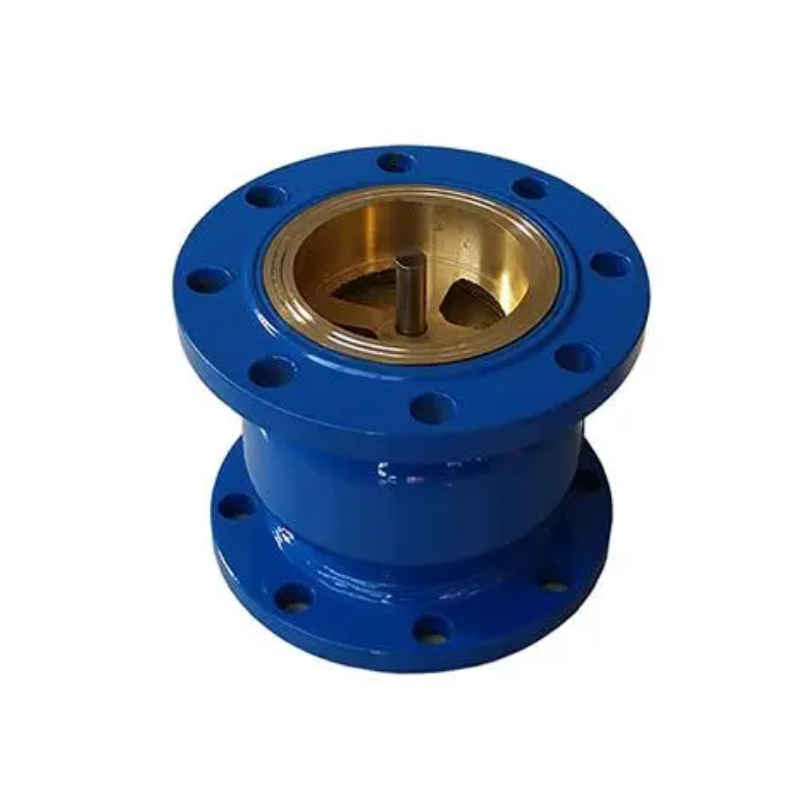
Introduction to Slow-Closing Check Valves The Slow-Closing Check Valve represents a significant advancement in hydraulic system technology, designed to address critical challenges such as water hammer, pressure surges, and flow control. This valve is engineered to regulate the speed of valve opening and closing, ensuring smooth operation and reducing mechanical stress on pipelines. As industries increasingly demand reliable and efficient fluid control solutions, the Slow-Closing Check Valve has emerged as a key component in modern hydraulic systems. Key Features and Advantages The Slow-Closing Check Valve is distinguished by its innovative design and exceptional performance characteristics. Below are some of its standout features: Novel Structure: The valve incorporates a unique design that optimizes fluid dynamics and minimizes turbulence. Superior Sealing: Advanced sealing technology ensures minimal leakage, even under high-pressure conditions. Low Resistance: The valve’s streamlined flow path reduces energy loss, enhancing system efficiency. Large Flow Capacity: Engineered to handle high flow rates without compromising performance. Extended Service Life: Durable materials and robust construction ensure long-term reliability. Adjustable Operation: Users can fine-tune the valve’s closing speed to match specific application requirements. These features collectively contribute to the valve’s ability to mitigate water hammer effects, a common issue in hydraulic systems caused by sudden changes in flow velocity. By slowing the valve’s closure, the Slow-Closing Check Valve significantly reduces the risk of pipe damage and system failure. Technical Specifications Parameter Specification Model 300X Slow-Closing Muffler Check Valve Flow Rate High-capacity, optimized for large flow rates Pressure Rating Up to 300 psi (varies based on model) Material Corrosion-resistant alloys for durability Sealing Mechanism Advanced elastomer or metal-to-metal sealing Adjustable Closing Speed Customizable to match system requirements Operating Temperature Range -20°C to 120°C Mounting Type Flanged or threaded connections Applications and Industry Use Cases The Slow-Closing Check Valve is versatile and suitable for a wide range of applications across various industries. Its ability to control flow velocity and reduce pressure surges makes it ideal for: Water Supply Systems: Preventing water hammer in municipal and industrial water distribution networks. Fire Protection Systems: Ensuring stable pressure during fire suppression operations. Industrial Pumps and Turbines: Protecting equipment from sudden flow changes and mechanical stress. Oil and Gas Pipelines: Mitigating pressure fluctuations in high-risk environments. HVAC Systems: Enhancing efficiency and reducing wear in heating and cooling systems. By integrating the Slow-Closing Check Valve into these systems, operators can achieve smoother operations, lower maintenance costs, and extended equipment lifespan. Company Background: Storaen (Cangzhou) International Trading Co. Storaen (Cangzhou) International Trading Co. is a leading provider of high-quality hydraulic components and industrial solutions. With a focus on innovation and customer satisfaction, the company has established itself as a trusted name in the global market. Their expertise in fluid control systems is reflected in the design and performance of the Slow-Closing Check Valve , which combines advanced engineering with practical application. Storaen’s commitment to quality is evident in their rigorous testing processes and adherence to international standards. The company’s products are used in diverse industries, including energy, manufacturing, and infrastructure, where reliability and performance are paramount. Industry Standards and Compliance The Slow-Closing Check Valve complies with industry standards to ensure safety, efficiency, and interoperability. Key standards include: NIST (National Institute of Standards and Technology) guidelines for measurement and testing procedures. ISO 5725 for accuracy and precision in measurement systems. ASME (American Society of Mechanical Engineers) standards for valve design and performance. These certifications underscore the valve’s reliability and its ability to meet the demands of modern industrial applications. For more information on NIST’s role in setting measurement standards, visit the NIST website . Conclusion The Slow-Closing Check Valve from Storaen (Cangzhou) International Trading Co. is a testament to the power of innovation in hydraulic engineering. Its advanced design, robust performance, and adaptability make it an essential component for industries seeking to enhance system efficiency and safety. By addressing common challenges such as water hammer and pressure surges, this valve not only improves operational reliability but also reduces maintenance costs and extends equipment lifespan. For more information about the Slow-Closing Check Valve and other products from Storaen, visit their official website .
-

High quality industrial productsagement

High quality industrial products
View Details -

Meet the diverse needs of customers

Meet the diverse needs of customers
View Details -

Strict quality control

Strict quality control
View Details -

Top raw materials

Top raw materials
View Details -

Trusted supplier

Trusted supplier
View Details
Our application


news and information
valve metal
The Significance of Valve Metals in Modern Technology Valve metals play a crucial role in various in
Water Meter Shutdown Valve Installation and Maintenance Guide for Homeowners
Understanding Water Meter Shut-Off Valves Importance, Functionality, and Maintenance In residential
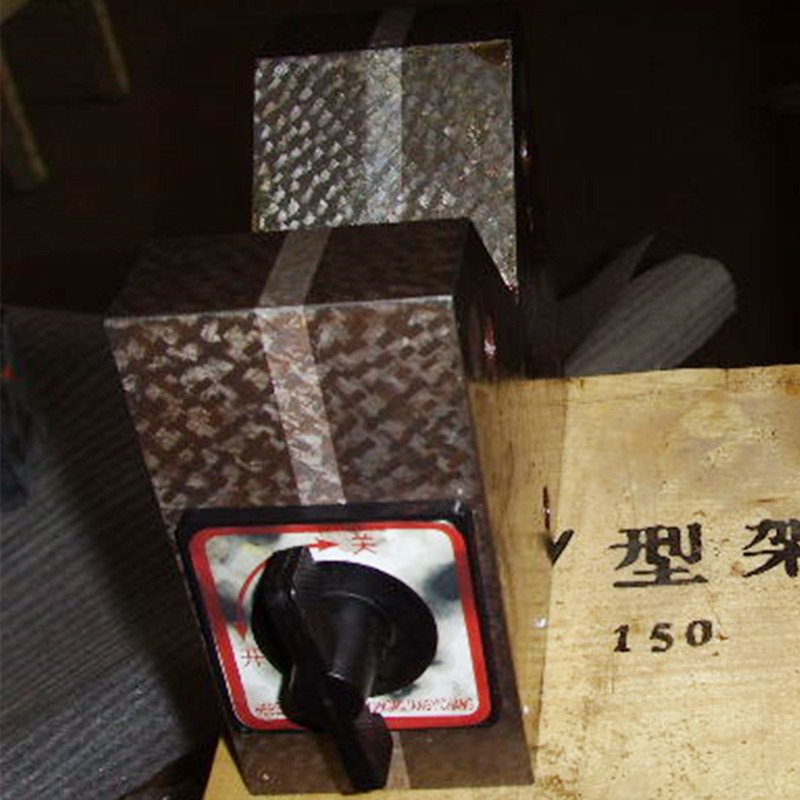
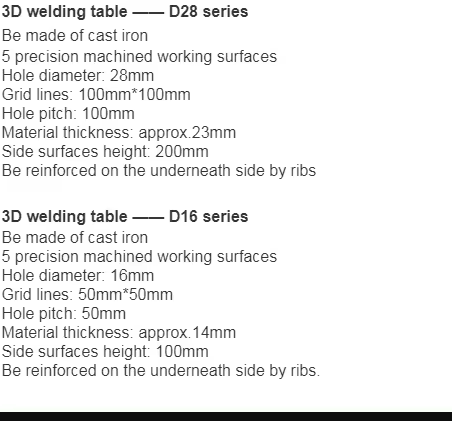
Welding Table Manufacturing Solutions from China for Reliable Performance and Quality
Welding Tables in China A Comprehensive Overview Welding tables are essential tools in the fabricati
 English